Our Programs


Good Hands Nepal’s programs connect education, language, vocational skills, livelihoods and community development.
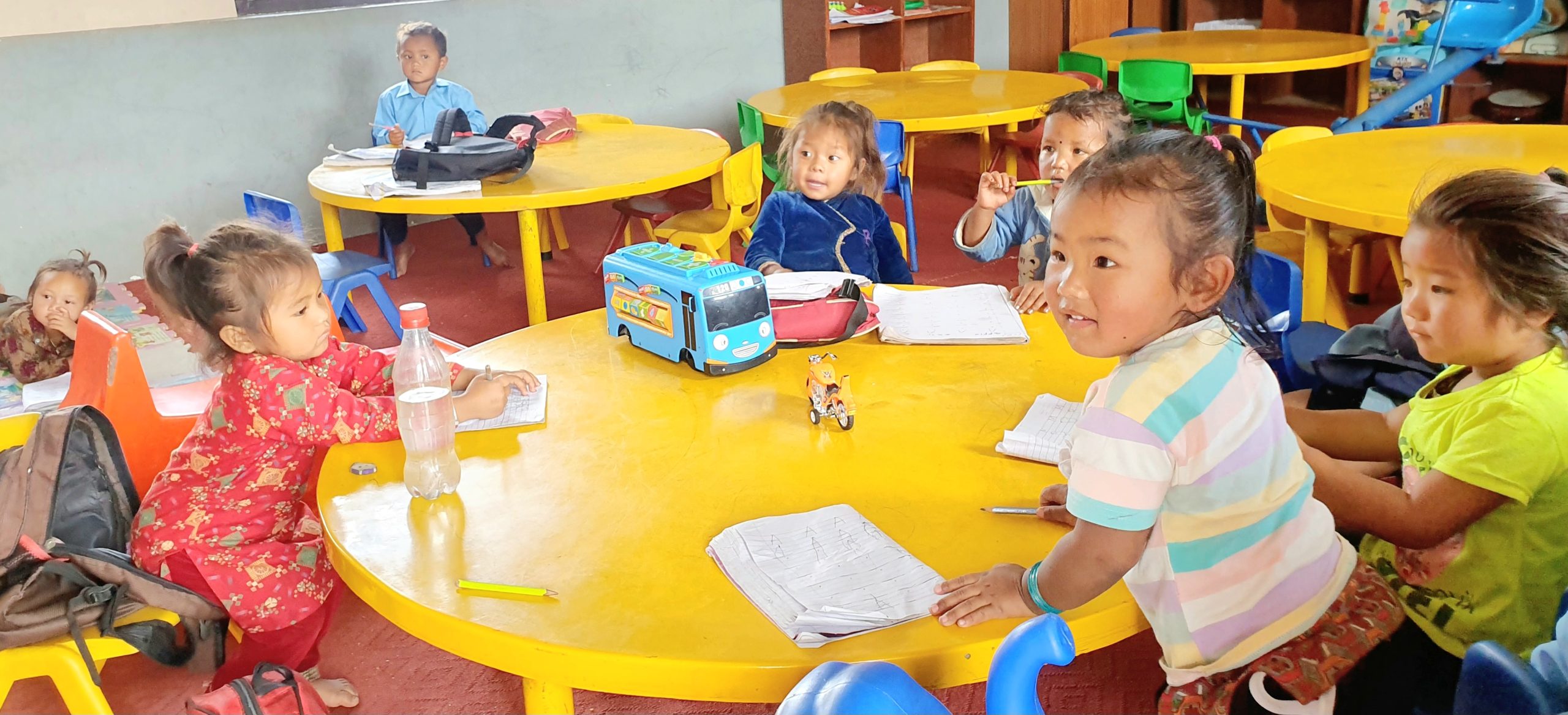
Free educational programs and supplementary learning help students strengthen their understanding of important subjects and continue their educational journey with confidence.
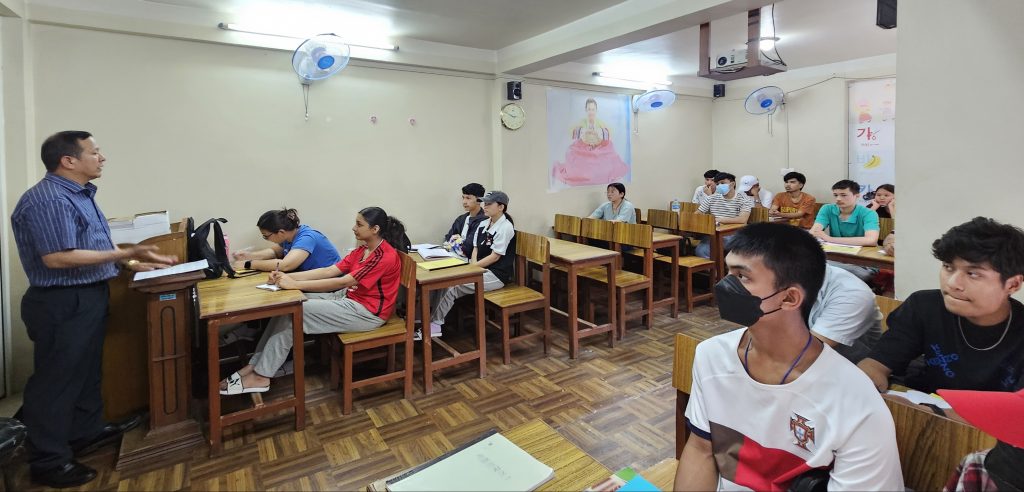
Korean language classes support young people preparing for the Employment Permit System (EPS) examination and seeking possible international employment opportunities.
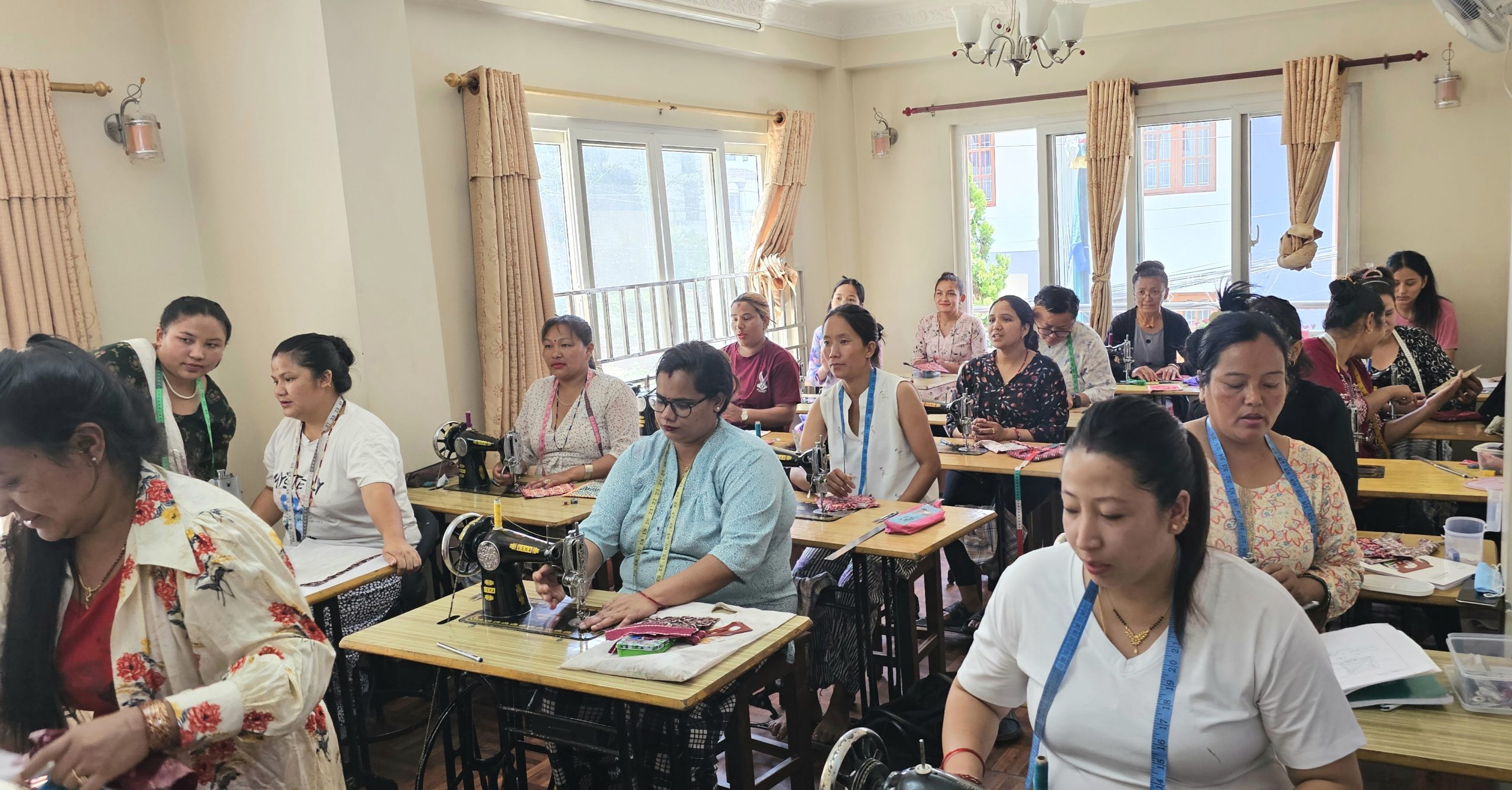
Skill-oriented programs support employment, entrepreneurship and self-reliance, particularly for young people and women facing barriers to meaningful employment.
The wider service vision connects education, employment, social service, culture, media, tourism and sustainable development.
Through wider community work, Dawa Lama has promoted responsible tourism in Helambu, linking livelihoods with cultural heritage, biodiversity and environmental stewardship.
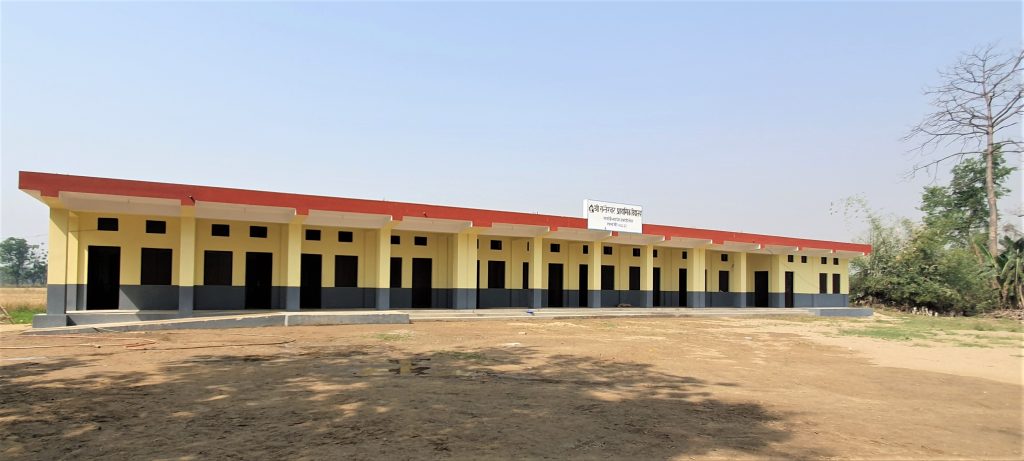
The organization has supported educational initiatives including school construction and school-building support, addressing physical barriers to learning in communities needing additional assistance
Good Hands Nepal’s approach recognizes that education alone may not address unemployment and poverty. Skills, information, confidence and access to economic opportunities can help people translate learning into greater independence.
“When people are provided with appropriate knowledge and practical skills, they are better able to support themselves, contribute to their families, and participate actively in society.”
Good Hands Nepal is committed to empowering children, youth, women and underserved communities through education, skills development and sustainable opportunities.